
"Bamoun coffee"
190 article(s) found

Introduction to the types of coffee trees in various countries
Typica and Bourbon were mixed. The height of the tree is more than three meters, making it difficult to harvest. There is a lack of sweetness on the palate and bitterness in the back. The advantage is that it is resistant to insect diseases, has high production capacity, but has high yield varieties. Most of the coffee beans in circulation on the market are distinguished by their origin. Some major producers and their famous coffee: Latin America (Central and South America) Brazil: Santos (San)

There are many kinds of coffee beans all over the world with different tastes.
When you drink coffee, do you notice what kind of coffee beans are ground? There are many varieties of coffee beans with different tastes. At present, most of the coffee beans on the market are distinguished by their origin. Some of the major producing countries and their famous coffee are listed below, and there are professional coffee companies in many countries that roast and grind their own coffee beans and pack them into brand coffee.

Coffee in Cameroon is grown in a rich volcanic soil, high altitude, and appropriate rainfall.
Professional coffee knowledge exchange more coffee bean information please follow the coffee workshop (Wechat official account cafe_style) Cameroon is suitable for espresso deep-roasted coffee beans. The cultivation of Arabica coffee trees in Cameroon, which began in 1913, is the Blue Mountain coffee of Jamaica, but the country also produces large quantities of Robbite coffee. The quality of Cameroon coffee

This paper briefly introduces the characteristic growing environment of Angolan coffee beans, Burundi coffee beans and Cameroon coffee beans.
Professional coffee knowledge exchange more coffee bean information Please follow Coffee Workshop (Wechat official account cafe_style) Angola was once a big coffee producer. In the mid-1970s, Angola (Angola) exported 3.5 million bags of coffee a year, 98% of which was Robex (which may be the best Robbins coffee in Africa). In 1990, total production dropped to 20%.
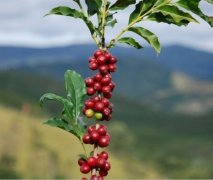
Classification of high-quality coffee beans types of coffee beans from all over the world
When you drink coffee, do you notice what kind of coffee beans are ground? There are many varieties of coffee beans with different tastes. At present, most of the coffee beans on the market are distinguished by their origin. Some of the major producing countries and their famous coffee are listed below, and there are professional coffee companies in many countries that roast and grind their own coffee beans and pack them into brand coffee.

The main producing areas of coffee in the world name some of the major producing areas of coffee and their famous coffee
The main coffee producing areas in the coffee market are mainly Coffea Arabica and Coffea Robusta. Each of them can be subdivided into more variety branches. Most of the coffee beans in circulation on the market are distinguished by their origin. The following lists some of the main coffee producing areas and their famous coffee: coffee producing areas in Asia and the Pacific

Coffee cultivation in China & an introduction to #160; World ranking
Guatemala: Antigua, Huehuetenango Costa Rica: Dota, Indio, Tarrazu, Tres Rios China: Yunnan Coffee, Hainan Coffee Taiwan: Gukeng Coffee, Dongshan Coffee, Dawushan Coffee, Bamboo Mountain Coffee (Deer Valley) Cuba: Cubita, Turquin

Fruit-flavored Burundian coffee beans taste manor characteristics of Burundian coffee
The chaos of Burundian coffee has been going on for a long time, with a large number of old and new raw beans mixed together, making this coffee unsuitable for grading. This coffee is rough but mild, and has characteristics similar to Kenyan coffee. The flavor is sweet and fruity, with a slightly spicy finish. Dry aroma (1-5): not suitable for wet aroma (1-5): not suitable for acid

Introduction to the quality characteristics of Burundian Coffee Flavor description treatment
Burundian coffee introduces traceability is a common problem faced by coffee growers, raw bean buyers and coffee roasters. There are currently about 3500 families working for LMCP. Production harvesting areas are distributed on eight different hilltops and two processing plants Bukeye (operational in 2013) and Heza (operational in 2014). Many variables can affect the most lifetime.

Introduction to the characteristics of Grinding degree of Burundian AA Coffee by Flavor description method
After Starbucks paid more and more attention to the African coffee industry in recent years, and began to increase the price of coffee with Burundian Arabrica, a coffee grower in Tanzania, Ethiopia, Rwanda and Kenya, the purchase price of fresh coffee fruits in Burundi was adjusted from 120Burundian francs / kg to 200Burundian francs / kg.

Introduction of Burundian Coffee Flavor description Variety characteristics treatment method for producing High-quality Coffee beans
Burundian coffee flavor Burundian coffee has been in chaos for a long time, with a large number of mixed raw beans, making this coffee unsuitable for grading. This coffee is rough but mild, and has characteristics similar to Kenyan coffee. The flavor is sweet, fruity, with a slightly spicy aftertaste and traceability in coffee growers and raw bean buyers.

Cameroon boutique coffee cooperative introduction: Boyo cooperative PB round beans
Professional coffee knowledge exchange more coffee bean information please follow the coffee workshop (Wechat official account cafe_style) is suitable for espresso deep-roasted coffee beans. The cultivation of Arabica coffee trees in Cameroon (Cameroon) began in 1913 as the Blue Mountain Coffee from Jamaica, but the country also produces large quantities of Robbins coffee. The quality, characteristics and production of Cameroon Coffee

The origin and types of coffee beans
Brazil: Santos, Bahia, Cerrado, Mogiana Mexico: Coatepec, Huatusco, Orizaba, Maragogype, Tapanchula, Huixtla, Pluma

Exquisite weasel coffee Vietnamese weasel coffee musk cat coffee weasel coffee price
Brazil: Santos, Bahia, Cerrado, Mogiana Peru: Chanchmayo, Cuzco, Norte, Puno Democratic Republic of the Congo: Kivu, Ituri Luanda: Kivu Kenya: Kenya AA India: Malaba

Coffee beans from all over the world, have you ever heard of any high quality coffee beans? Which kind of coffee beans is better?
People are no stranger to coffee. We can drink it in all kinds of themed coffee shops and see the finished product of coffee. But have you ever seen what the coffee looked like before it was washed? of course, I'm not talking about the powder. I'm talking about when it was still sound, that is, when it was still round beans. I think you have never seen most of them, and their names are very likely.

Mellow Burundian Coffee Flavor Taste introduction to Fine Coffee in Manor production area
There are many plateaus and mountains in Burundi, most of which are made up of the plateau on the east side of the East African Rift Valley. The national average elevation is 1600 meters, which is known as the mountain country. According to the topography of Burundi, it can be divided into three regions: the western plain, along the Ruzizi River, the Rift Albrtine plain, 774 to 1000 meters above sea level; and the central and western mountains, with an average elevation of 1700 meters, with the highest peak in Bujumbura.

Coffee Encyclopedia Coffee beans production maps of different countries in the world differences in taste characteristics of coffee beans
Classification of Arabica species by original species: Arabica country of origin: Ethiopia output: more than 70% of the world's total output: 5002000 meters above sea level: bean shape: slender, zigzag taste: moderate taste, good flavor, weak resistance to diseases and insect pests caffeine: low caffeine content

Introduction to the taste and flavor characteristics of Burundian coffee manor with wild taste
Burundian coffee bears a striking resemblance to neighboring Rwanda, where coffee from the two countries is often confused. Burundian coffee is mainly grown in bourbon, with traditional wet processing of coffee cherries. Its boutique coffee is characterized by elegant sweetness and bright citrus aromas. This batch belongs to the bourbon species micro-batch Burundi (Burundi) has the world's largest species.

The flavor and taste of Burundian coffee the characteristics of the manor producing area introduce the origin of Burundian coffee boutique coffee beans
Lake Tanganyika, located at the southern end of the western branch of the East African Rift Valley, is the second largest lake in East Africa. With a length of 720km from north to south, it is one of the longest freshwater lakes in the world, with a depth of 1470 meters, second only to Lake Baikal and the second deepest lake in the world. The area is 32900 square kilometers. Lake Tanganyika, which is narrow in the north and south, is formed by the fault and subsidence of the earth's crust. The only outlet of the lake is the Lukuga River. Inspire Burundi

Introduction of coffee bean varieties the origin and variety of coffee beans introduce the types of coffee beans
Brazil's coffee fruit (Arabica) on the market for coffee mainly for Arabica (Coffee Arabica) and Robusta (Coffee Robusta) and other two original species. Each of them can be subdivided into more variety branches. Most of the coffee beans in circulation on the market are distinguished by their origin. The following is a list of some of the major producing countries and their famous coffee (reference: coffee producing section map):